jacqueleeblebs:

glblctzn:

This incredible invention is keeping girls in school

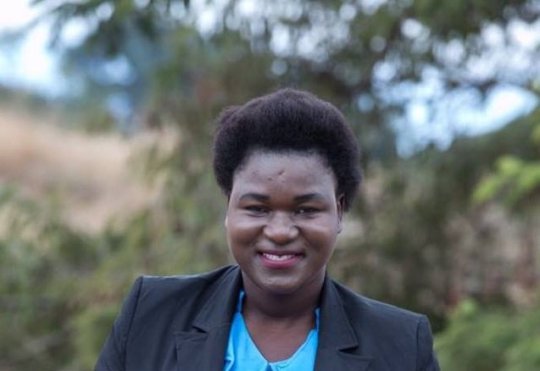
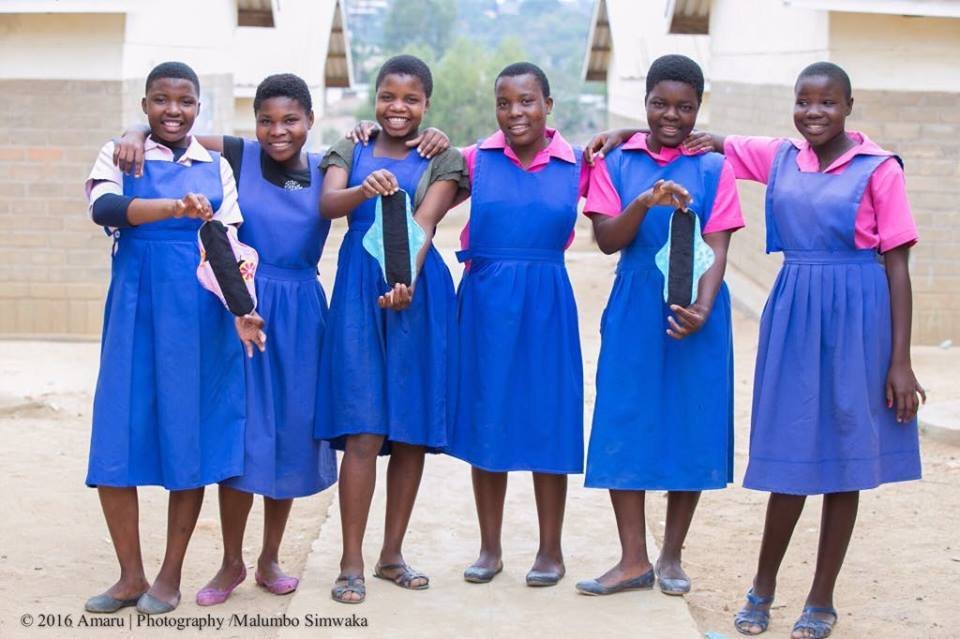
For Trinitas Kunashe, like many girls in Malawi, getting her period was unexpected, unexplained and a burden for her everyday life. Often, girls who do not have access to pads prefer to stay home and out of school for the duration of their periods.

image

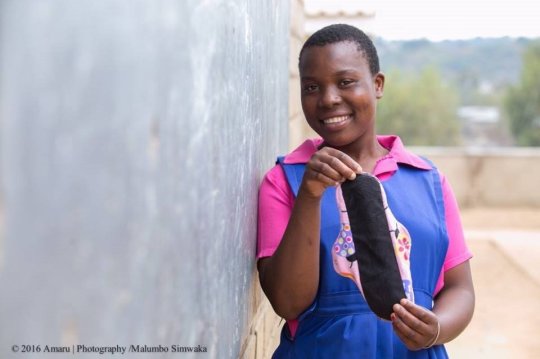
But Trinitas is changing that with her amazing new invention:

image

Made from bright and comfortable locally-sourced fabrics, Tina Pads are a hit amongst girls in her community. They are waterproof, practical and fun – and most importantly reusable.

image

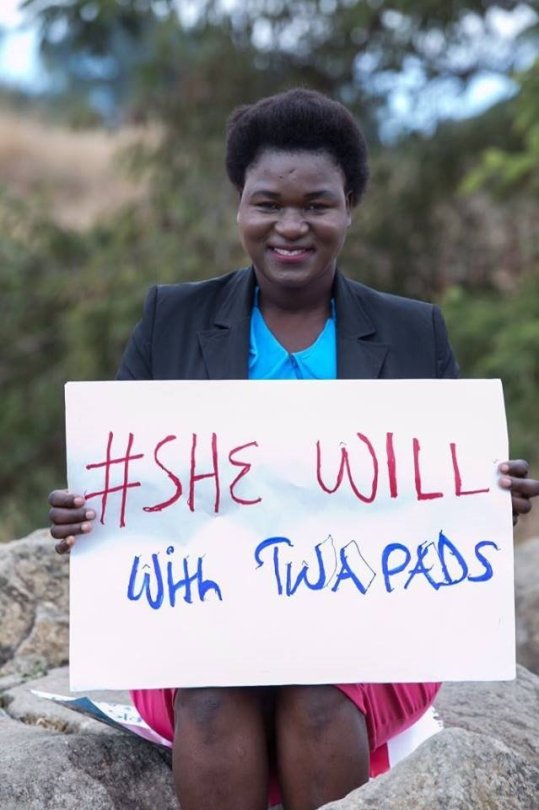
Determined to make sure no girl is forced to miss school because of her period, Trinitas is a passionate believer in the power of education to change lives.

#SheWill Succeed

You can read more about and donate to this amazing project here: http://www.flametreeinitiative.org/entrepreneurs/tinapads

Adrenal PCOS: Surprising Ways Stress Affects Your Hormones

paleorecipecookbook:

A very tired young woman leaning against a wall in the gym with bottles of water surrounding her

It’s well known that stress can cause the disruption or total loss of menstrual function in women. (1) And menstrual dysfunction, along with the physical symptoms of hormone imbalance, has become increasingly common over the past few decades.

It’s now estimated that up to 10 percent of reproductive-age women in the US have polycystic ovarian syndrome (PCOS), a health condition that not only affects a woman’s fertility, but also causes frustrating changes to her physical appearance, including weight gain, male-pattern hair growth, acne, and water retention.

Women with PCOS also have higher rates of anxiety and depression, either caused or exacerbated by the embarrassing physical changes that often occur with the condition.

And while there certainly is a genetic component that increases one’s risk of the syndrome, PCOS is significantly affected—and possibly caused—by lifestyle factors including diet, exercise, and stress.

Unfortunately, in an age where high achievement and perfectionism are idolized and flat abs and “thigh gaps” are considered to be the standard of feminine physical beauty, there are thousands of women running their bodies and hormones into the ground in an attempt to lose weight and achieve this impossibly high cultural standard.

I’ve worked with dozens of women who were undereating, overtraining, and under constant stress and even fear related to their poor body image and a desire to be thinner and leaner by any means necessary.

Sadly, this extreme diet and exercise behavior can backfire when women start to develop “adrenal PCOS”: the elevation of androgenic hormones by the adrenal glands that causes symptoms similar to ovarian cyst-driven PCOS.

In this article, you’ll learn how excessive stress about your diet, exercise, and life in general might be driving the adrenal hormone changes that are causing your PCOS symptoms.

Myths and truths about PCOS

There are many misconceptions about PCOS that cause confusion, misdiagnosis, and mistreatment in women who are experiencing the multitude of symptoms associated with the disorder.

Despite the name polycystic ovarian syndrome, having cystic ovaries isn’t a requirement to be diagnosed with PCOS.

In fact, the NIH has concluded that the name PCOS should be changed, as the name causes confusion and doesn’t reflect “the complex metabolic, hypothalamic, pituitary, ovarian, and adrenal interactions that characterize the syndrome.” (2, 3)

Many people, including healthcare professionals, also don’t even realize that being overweight is not a requirement of having PCOS. It’s estimated that one-third to one-half of women with PCOS are at normal weight or underweight and that being overweight or obese does not increase the risk of developing the condition.

While weight loss in women who are overweight may be beneficial, this recommendation isn’t useful for women with PCOS symptoms who aren’t overweight. And using birth control pills as a treatment for amenorrhea is often unnecessary and simply masks a deeper diet and lifestyle problem.

Believing that PCOS is solely genetic, due to excess weight, or simply caused by cystic ovaries that can be treated using hormone replacement is a dangerous assumption that prevents many women from getting the help they need.

Elevated androgenic hormones: not just an ovarian problem

One of the primary diagnostic criteria of PCOS is elevated androgens, “male” sex hormones that cause unwanted hair growth, acne, and reproductive dysfunction.

The two main androgenic hormones causing these symptoms in women are testosterone and androstenedione. Other androgens include dihydrotestosterone (DHT), dehydroepiandrosterone (DHEA), and dehydroepiandrosterone sulfate (DHEA-S).

It’s normal for women to have some androgenic hormones in their system; in fact, low testosterone in women is associated with low sex drive, bone loss, chronic fatigue, weight gain, mood disorders, and cognitive issues. Calling them “male” sex hormones is a misnomer.

However, when these hormones are elevated, as is pervasive in PCOS, symptoms of androgen excess begin to manifest. For some women, this affects their menstrual function and fertility. For others, they continue to menstruate but struggle with physical changes like unwanted hair growth, acne, and weight gain.

And one of the primary confusions over PCOS is which organ these androgens come from. While the ovaries are typically blamed for elevated androgens in PCOS, it’s estimated that 20 to 30 percent of women with PCOS have adrenal androgen excess. (5)

The adrenal glands produce all of the DHEA sulfate (DHEA-S) and 80 percent of the DHEA in the body. The adrenals also produce 50 percent of androstenedione and 25 percent of circulating testosterone. Since DHEA-S and 11-androstenedione are not secreted by the ovaries, they are used as markers of adrenal androgen secretion. (6)

How your adrenals cause PCOS symptoms

The chart below shows how both the adrenal glands and the ovaries impact androgenic hormone production. It illustrates how the hypothalamus and pituitary gland, both located in your brain, release hormones that drive the cycle of high androgen output, insulin resistance, increased abdominal fat, and impaired glucose sensitivity. These systems are called the hypothalamus-pituitary-adrenal or -gonadal axes. (HPA/HPG.)

adrenal pcos2

While insulin resistance and elevated insulin often drive the ovarian production of testosterone, it is the hypothalamus-pituitary-adrenal (HPA) axis that stimulates the production of DHEA/DHEA-S and androstenedione. These hormones can be converted to testosterone by peripheral tissues in the body. This process can occur independently from the ovaries and any involvement with insulin.

This means that a woman with PCOS symptoms could have normally functioning ovaries with no cysts and no insulin resistance, yet still fit the symptomatic profile of the syndrome.

There is some controversy over whether elevated androgens cause insulin resistance or if insulin resistance happens first. The most likely answer is “it depends”; some women likely develop insulin resistance first, while others develop elevated androgens first.

Either way, it’s clear that not only is the brain heavily involved in the output of androgenic hormones, but that the adrenals may also be responsible for PCOS symptoms in a subset of patients.

How stress impacts your hormones

The pituitary gland, stimulated by the brain via the hypothalamus, secretes adrenocorticotropic hormone (ACTH) in response to stress. ACTH then stimulates the adrenal glands to produce cortisol, adrenaline, and noradrenaline. In addition to these stress hormones, ACTH also stimulates the production of adrenal androgen hormones, including DHEA, DHEA-S, and androstenedione.

ACTH follows a diurnal rhythm, meaning it’s higher in the morning and lower in the evening, but it also spikes in response to physical and emotional stress. Stress activates the HPA axis, raising ACTH and cortisol output. Cortisol release then down-regulates ACTH production in a negative feedback loop.

ACTH also stimulates the production of DHEA/DHEA-S and androstenedione, which help protect the brain from the negative effects of cortisol and other stress hormones. (7) But as you learned earlier, these hormones also cause the symptoms of elevated androgens seen in PCOS.

And these androgenic hormones do not affect the release of ACTH, unlike cortisol, meaning there is no feedback regulatory loop that controls androgen secretion in women. (8)

Research also shows that women who are under extreme chronic stress situations (for example, PTSD) have a markedly increased DHEA response to ACTH stimulation, as well as a higher ACTH response to stress and stimulation from the hypothalamic hormones. (9) They also have higher levels of baseline DHEA compared to healthy controls, and traumatized women with the highest DHEA had the least severe PTSD symptoms.

This means that women who are under chronic stress not only have more opportunities for elevated ACTH and thus elevated androgens, but their hormones may also start to react more severely to stressful situations. It also suggests that a higher amount of DHEA could be the body’s way of protecting the brain from the long-term effects of chronic stress.

Where does chronic stress come from?

To review, you’ve learned so far that:

  • Elevated androgens like testosterone and androstenedione contribute to PCOS symptoms like menstrual dysfunction, unwanted hair growth, weight gain, acne, and mood disorders
  • The adrenal glands are responsible for at least 20 to 30 percent of the elevated androgens seen in PCOS
  • Chronic stress elevates ACTH, which stimulates androgen secretion, for which there is no negative feedback loop
  • Androgen hormones are protective against the long-term effects of chronically elevated stress hormones like cortisol and adrenaline

I hope it’s perfectly clear by now that chronic stress is a major contributor to the development of PCOS symptoms, especially in normal or underweight women with non-cystic ovaries and normal insulin sensitivity.

Elevated androgens, while causing PCOS symptoms, may be the body’s way of protecting the brain from the harmful effects of chronic stress.

And chronic stress is everywhere these days; from long work weeks and poor sleep to new babies and aging parents, to constant negative thoughts about our bodies and physical appearance, women are bombarded by stress from every direction.

Combine this with traumatic events, acute illness and infections, gut dysbiosis, and disrupted sleep, and it’s no wonder that so many women come to me complaining of reproductive dysfunction or amenorrhea, weight loss resistance, blood sugar fluctuations, anxiety and/or depression, acne, chronic fatigue, and hormonal imbalances.

The worst part is that the more stress drives up our androgenic hormones, the more our weight, skin, and hair growth is affected, and the harder we struggle to improve our appearance.

For some women, this drives them to restrict their diet further, diet harder, work out more often and more intensely, and push their bodies to the brink of exhaustion. It’s a vicious cycle that I see all the time in my practice. (I’ve even struggled with this problem myself.)

Don’t get me wrong: there are plenty of women whose PCOS is caused by a poor diet, inadequate exercise, too many refined carbohydrates and sugars, and a generally unhealthy lifestyle.

But if you’re breaking your back trying to follow the perfect low-carb Paleo diet, going to CrossFit five to six days per week, and finding yourself gaining weight, losing your menstrual function, growing hair in weird places, developing adult acne when you had clear skin as a teen, or simply feeling like a truck hit you every morning you wake up, it may be chronic stress causing your physical symptoms and hormonal imbalances.

How to kick stress to the curb

Getting your stress under control is a challenging task, and unfortunately, there’s no quick fix for the long-term effects of regular stress. Our culture thrives on stress and perfectionism, and many people push themselves past their physical limits in an attempt to “look better naked,” make more money, have more possessions, and live an envy-worthy life that looks great on Instagram.

If you’re ready to break the cycle of stress and fear-based health pursuits, here are a few tips to get you started in the right direction.

Diet

As I explained before, many conventional recommendations for PCOS involve losing weight and increasing insulin sensitivity, primarily through reducing carbohydrate intake, cutting calories, and increasing physical activity. These recommendations work well for the woman eating a typical American diet and not moving enough.

But if you’re already eating a low-carbohydrate Paleo diet and your symptoms are getting worse instead of better, you might be a woman whose body is responding negatively to the stress of inadequate calorie and carbohydrate intake.

First, start by assessing your total calorie intake. One benefit of a Paleo diet is a spontaneous reduction in calorie intake, but for women who are active, this can take their intake too low to support their exercise routine. Combine this with poor body image and a desire to lose body fat, and many women are taking their food intake even lower, either consciously or unconsciously.

Chronic calorie deficits over a period of months or years raise stress hormones as your body tries to conserve energy and keep blood sugar stable. Make sure you are not eating less than 80 percent of your estimated calorie needs on a daily basis if you are trying to lose weight, and consider taking a break from any calorie deficit for a few weeks or months.

Too little carbohydrate intake can have similar impacts as inadequate calories, especially for highly active women doing glucose-demanding activities like weightlifting and CrossFit. Use this article to guide your carbohydrate intake depending on your health needs and activity levels.

Eating a calorie-appropriate and macronutrient-balanced diet is a huge step for many of the women I work with in my private practice to improve their hormonal profile.

Exercise

Again, the typical recommendation for a woman with PCOS is to exercise more. But if you’re already hitting the CrossFit box five days a week, running 20 miles a week, or squeezing bootcamp classes in at 5:30 a.m. every morning, you might be damaging your hormones by exercising too much.

Overtraining is more of a symptom of under-recovery, so eating and sleeping enough and taking at least one to two rest days per week can help minimize the impact of a high training volume and prevent hormonal disruption.

If you’re concerned that overexercising is driving your hormonal imbalances, check out this article on exercising with “adrenal fatigue” (HPA axis dysfunction) for guidelines on how to appropriately scale back your exercise so that you’re maintaining strength and fitness while allowing your hormones to recover.

Sleep

Admittedly, sleep is one of those health behaviors that I still struggle to prioritize. And yet the benefits to my energy, performance, and cognitive function I experience when I get adequate, high-quality sleep are undeniable.

One of the most common factors impacting our ability to sleep well is our use of electronic devices after the sun has gone down. Check out the guidelines in this article for ideas on how to mitigate the effects of light exposure at night so that your sleep is more restorative.

And if you’re having trouble falling or staying asleep, review your diet and exercise program. Many of my clients with sleep difficulties find that stopping any excessive high-intensity exercise and eating adequate calories and carbohydrates help them sleep far more soundly and wake up feeling refreshed.

Stress management

There are dozens of different techniques that can help reduce stress on a daily basis. Some of the more well-known recommendations include things like meditation, deep breathing, yoga, and tai chi. These ancient practices are effective tools that reduce stress hormones, and meditation in particular is one that can easily be done daily.

However, there are countless other options for reducing stress, so pick one that works best for your personality and your life. That might mean you get a pet like a dog or a cat, start volunteering regularly, join a spiritual/religious community like a church or synagogue, join a meetup group, or even start coloring! (I love these coloring books!)

Whatever your stress management practice is, commit to doing it regularly. Meditation isn’t going to help you reduce stress if you only do it once a week, and a coloring book sitting on your bookshelf gathering dust isn’t going to magically cut your cortisol down.

Mindset

Changing your mindset is often the hardest part of stress reduction, but possibly the most important. There are a lot of mindset issues that women deal with, but one of the most common mindset issues I see in the women I work with is poor body image.

Research shows that women with the lowest body image also have the highest levels of cortisol. (10) Any woman who has struggled with poor self-image and body dysmorphia knows what it feels like to have negative thoughts and emotions every time you catch your reflection in the mirror.

Building better body confidence is a challenging process, and it doesn’t happen overnight. But if you are struggling with negative thoughts about your body, constant dissatisfaction with your appearance, and poor mood that is worsened whenever you break your rigid diet and exercise routine, you may be sabotaging yourself by causing the very problems you feel negatively about, including weight gain, hair growth, and problematic skin!

Start by shifting your focus to all the things you are grateful for in your life. This could be something as simple as the fact that you have running water in your house, or as significant as having a loving partner or children that you adore.

Celebrate the success that you’ve had in your healthy eating and exercise goals, and don’t be so hard on yourself for the areas where you’ve fallen short. Everybody fails, so look at failure as a learning experience and opportunity for growth.

Stop following anyone on social media who makes you feel worse about your body or your life. Surround yourself with friends and role models who promote self-acceptance and self-love, regardless of what they look like right now.

Find people who inspire you to shift your focus to the positive things in your life, including what your body is capable of rather than what it looks like. Self-acceptance is a practice, and it requires committed effort to shift your mindset from one of self-loathing to self-love.

If you need more help …

There’s no way a single article will be enough for you to make a 180-degree turn in your life and start living totally stress-free. This will be a lifelong process that you need to commit to on a daily basis in order to see lasting changes in your hormonal health and wellbeing.

If you’ve already implemented the recommendations I’ve mentioned above and are still struggling, there are a few ways you can get additional help.

Chris’s 14Four program is a fantastic, holistic approach to a healthy diet and lifestyle that eliminates extremes and focuses not only on diet and exercise, but also stress and sleep. This is a great basic program for resetting your approach to a healthy, low-stress lifestyle.

If you’re concerned that your HPA axis dysfunction is more serious than the average person, you’d be a great candidate for Paleo Rehab: Adrenal Fatigue, a program that will guide you through the diet, lifestyle, and supplement changes that can help you eliminate stress and support your body’s ability to respond to stress appropriately. Check out our free 28-page eBook to get started on repairing your HPA axis function.

Finally, if you are desperate to make major changes in the way you live your life, including the way you eat, the way you exercise, and the way you treat your body, and you want to experience the benefits of working one-on-one with a coach dedicated to your health and success, consider becoming one of my clients.

I love helping women just like you make evidence-based changes to their nutrition and fitness plans that not only help them reach their goals, but also eliminate the stress, confusion, and fear that comes with trying to do it alone.

Now I’d like to hear from you: Have you experienced hormonal problems or PCOS symptoms after a period of extreme stress? Has dealing with the stress in your life helped you overcome these challenges? Share your story below!

About Laura: Laura uses her knowledge of traditional and biologically appropriate diets to improve her clients’ health. Growing up with a family that practices Weston A. Price principles of nutrition, she understands the foods and cooking practices that make up a nutrient dense diet.

With her strong educational background in biochemistry, clinical nutrition, and research translation, she blends current scientific evidence with traditional food practices to help her clients determine their ideal diet. You can find her at AncestralizeMe.com, on Facebook, and Twitter!

Source: http://chriskresser.com

January 13, 2016 at 01:41AM
victoria-wayne:

p0kemina:

theequeenpin:

nefepants:

macsceneshawe:

1stfrom92:

When your lady on her period.

this got  funnier as it went

“Don’t call her a bitch but

GET YOUR BITCH SOME CHOCOLATE”

Facts 😂

There needs to be some sort of induction ceremony

This is the only comedy sketch that doesn’t make fun of women and their period. It try’s to make you realize how weird and annoying periods really are. That’s really refreshing

maneth985:

seananmcguire:

o0katiekins0o:

des-is-scum:

she-wolf707:

equilateralwaffle:

legolokiismighty:

tafffypulller:

skerples:

female-anti-feminist:

foxysmoulder:

but really guys

tampons/pads marketed to young kids who just started getting their periods

should be a thing

wrappers with dinosaurs and planets and glitter and cats and sea creatures 

make kids feel comfortable about something natural that happens to their bodies. 

and for goodness sake

don’t sexualize it

No. Actually. Why do you need this? You don’t. Getting your period means you are starting to mature, which means you need to drive them AWAY from needless things like that. Also, you all bitch enough as it is about paying for these things, imagine how much more money companies will charge for those things? Or, maybe EDUCATE them, so they will already feel comfortable about it. Jesus fucking christ. 

Tell that to ten-year-old me, who still hadn’t had the period talk yet in school. I was crying and freaking out because I thought I was dying. Then my mother comes up to me and says with a smile “You’re becoming a woman!” I didn’t want to grow up yet. I was ten. Fucking ten and was told to start to grow up. My mom wanted me to get away from silly little kids things because I’m fucking bleeding out my goddamn vagina.

Also some people are children at heart and like to be silly and having a dinosaur-patterned maxi-pad would be pretty fuckin’ hilarious and I’m sure there’d be a huge market for that.

Not all people with vaginas are stoic and serious and want the same frilly, swirly boring-ass pads and tampons.

Plus if you’ve been having a miserable day and say you bought the character variety pack of pads. Sitting in the bathroom stall wanting to stab everyone and you open up some baby dinosaur pads. You’ve got dinosaurs in your underwear. No ones gonna ruin your day now.

U by Kotex has these, Tween pads. Sparkly box, cute designs on the pad and wrapper. There are even “period facts and myths” in each box, and the inner wrapper has instructions for how to use a pad properly. What’s more is they are smaller than standard pads. (I use these pads because I’m a petite person). Best part? Everywhere I buy them, one box of pads is less than $5. 

^^^^^^^ THESE ARE THE BEST BTW. VERY SOFT AND FUN AND COLORFUL. DID YOU KNOW THAT EVEN SEEING PRETTY COLORS CAN LIFT YOUR MOOD? I DIDN’T. NOW I DO.

BUT REALLY THESE ARE THE BEST OK

BECAUSE WHEN MY TEN-YEAR-OLD SISTER GOT HER PERIOD SHE WAS SUPER SCARED BUT I GAVE HER MY PACK AND SHE’S LIKE THIS LOOKS KINDA COOL AND NOW SHE THINKS SHE’S SO AWESOME AND COOL BECAUSE SHE WEARS COLORFUL PADS WITH SHOOTING STARS AND HEARTS ON THEM AND SHE’S SO CONFIDENT IT’S SO AWESOME

SO YOU TRY TELLING ME THAT SEEING A TEN YEAR OLD GIRL DEPRESSED AND ASHAMED OF A NATURAL BODY FUNCTION IS PREFERABLE TO SEEING HER SHOWING OFF HER UFO AND SHOOTING STAR-PATTERNED PADS TO HER BFFS

YOU WOULDN’T GIVE A FOUR-YEAR-OLD BOY A BORING BEIGE BAND-AID NO YOU’D GO OUT AND BUY THE HECK OUTTA THOSE SPONGEBOB AND TOY STORY SHITS BECAUSE IT MAKES THEM HAPPY DON’T MAKE YOUR GIRLS GROW OUT OF THINGS THAT MAKE THEM HAPPY BEFORE THEY’VE EVEN LEFT ELEMENTARY SCHOOL

Ok but U by Kotex has got all of our backs. This brand dose great and empowering things for all women and even girls 🙂

Why are people with vaginas expected to be grown ass adults at 10 but people with dicks aren’t expected to act like adults until their 20’s??

I got my first period when I was 12 years old on fucking CHRISTMAS DAY!!!

Seriously, fuck anyone who tells young menstruating girls it’s time to “grow up”. That scared as fuck 12 year old girl deserved a nice Christmas.

Nine years old.  Thanksgiving.

I needed dinosaurs.

fucking hell, fuck parents that think getting period is being an adult now, and that it means being boring and dull, there’s something called adolescence, let them live it, let them transition from toys to other things at fifteen if they want to, I played till I was 15! And if a fucking grownass woman wants pads with dinosours, stars and fucking Minnie Mouse, why the fuck not?

Endometriosis

operation-bagginshield:

saucefactory:

glowhq:

image

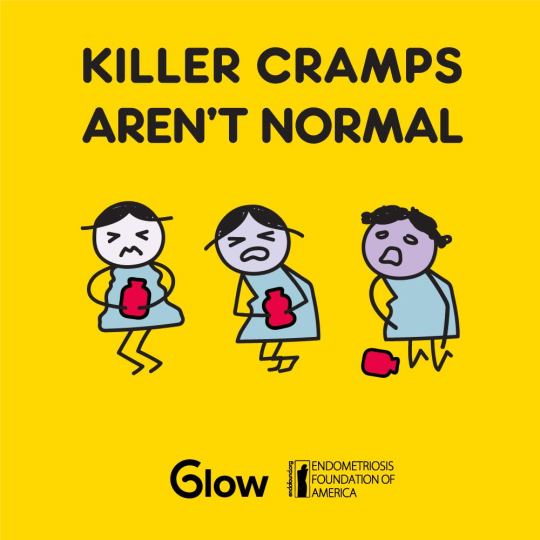
Endometriosis—the struggle is real.  Killer cramps are NOT normal.  Periods that last longer than 7 days are NOT normal. Heavy bleeding that soaks through a tampon every 2 hours is NOT normal; pain during sex is NOT normal. Bouts of diarrhea and vomiting that accompany every menstrual cycle are NOT normal. No, no, and no!  For many people, this reality is just endometriosis at work.

Sad truth: Many of us are taught to downplay these symptoms. Our pain is diminished by parents, siblings, friends and even health care professionals who convince us that everyone goes through this.

Maybe that is why, according to the Endometriosis Foundation of America, it takes 10 years on average to receive an accurate endometriosis diagnosis. That’s a decade, people! That’s 130 periods of agony, 912 days of someone asking you to take Advil and suck it up.  That…is not okay.

Endometriosis is pervasive.  It affects 1 in 20 Americans of reproductive age and an estimated 176 million people worldwide. It occurs when tissue similar to the endometrium (the lining of the uterus) is found outside the uterus on other parts of the body.  

There are lots of symptoms that can vary among patients.  Pelvic pain is most common, as well as pain that coincides with menstruation.  Other symptoms include heavy cramps, long-lasting bleeding, nausea or vomiting, pain during sex and, unfortunately, infertility.  Some people may even experience symptoms throughout their entire cycle—a real drag.

In addition to these physical symptoms, endometriosis takes a toll on someone’s personal and professional life. Chronic pain can severely affect quality of life day-to-day; medical care can be extremely costly. Furthermore, absenteeism can alter relationships in the workplace and at home.

Despite the intense discomfort, many people do not realize they have endometriosis until they try to get pregnant. And because the disease tends to get progressively worse over time, approximately 30-40% of people who have endometriosis experience fertility challenges.

There is no simple diagnostic test for endometriosis—no blood, urine, or saliva testing can confirm the condition. The only way to verify endometriosis is to undergo a diagnostic laparoscopy with pathology confirmation of biopsy specimens.  

On the bright side, many endometriosis symptoms— including infertility—can be addressed after diagnosis. The gold standard for endometriosis treatment is laparoscopic excision surgery. This involves a careful removal of the entire endometrial lesion from wherever it grows.

The first step to getting there is recognizing that your pain is not normal and seeking timely intervention. The earlier endometriosis is detected and treated, the better the results. Tracking your symptoms will make you better informed for your next doctor’s visit, and set you on a path to better (and less painful!) menstrual health.

For more information about Endometriosis, visit www.endofound.org

It’s like, whatever we do, people try to disinherit us from our own experiences. Whether we’re cis girls or trans boys or genderqueer. I just wanted to say that as a teen who didn’t identify as female, I still had endometriosis, but what I said wasn’t taken seriously, either. At one point, I actually got told that I was having all this pain because “I didn’t accept my female body.” Basically, it was my fault that my system wasn’t “acting right,” because I wasn’t normal. It was nature’s way of punishing me. The pain was “all in my head” because I was “rejecting” my reproductive organs.

Ridiculous, right? I continued to suffer for many years, and eventually—at the age of 30!—had to have emergency surgery to remove a massive fucking ovarian cyst that had ruptured and filled my abdomen with blood. It was only during the biopsy resulting from said surgery that I was finally, officially diagnosed with endometriosis, because endometrial tissue was found outside the womb. A lot of it. That was what the cyst had been made of. By that age, my condition had worsened considerably, and I could have died of the hemorrhage. Good job, doctor who told me it was all my fault for being queer!

Anyway, I just wanted to say that if you ever get told shit like that, don’t believe it. If you identify as female, people will try to to tell you that they know your body better than you do, that your very femaleness disqualifies you from commenting on or understanding your own body, and that nothing you say can be trusted, because, as a female, you are overdramatic and irrational and liable to exaggerate every little discomfort.

Conversely, if you don’t identify as female, people will try to tell you that the “discrepancy” between your body and your gender identity is to blame for your medical problems, which aren’t valid and don’t deserve treatment because it’s really all your fault. The world will try to tell you that a) you’re abnormal, and b) your endometriosis is a direct result of your abnormality. Authority figures will try to tell you that you deserve being tortured. That you earned it by failing to conform to their expectations.

Don’t believe any of them. If a parent, guardian, family member or medical professional doesn’t respect you, regardless of how you identify, then you can’t trust what they’re telling you. While we’re very young, we unfortunately don’t have as much freedom to seek out medical help that suits us, but if your body is in pain, then something is wrong, and YOU have the right to decide that something is wrong. YOU have the right to seek a diagnosis and treatment from somebody who truly respects you and listens to you.

Anybody who tells you that your own sense of your body isn’t trustworthy is themselves not trustworthy. Don’t let them make you question yourself or doubt yourself, and don’t let them force you to live in pain when you could be getting effective treatment for it. If one doctor is an asshole, see another. And another. And another. Eventually, you’ll find someone that can give you the help you need. It’s living in pain that is abnormal, not you.

This shit is so real.

I starting having periods when I was 11 and I was in AGONY. All the time. It felt like I was dying.

I talked to my mom, the school nurse, my friends, my friends moms, and all I got was “Women have been dealing with this since Eve. Take some Midol. You’ll be fine.”

At 22 I was diagnosed with Poly Cystic Ovarian Syndrome and given the pill for treatment. I was told it would take care of my symptoms. But it didn’t. (I do actually have PCOS, but it wasn’t the source of my pain.)

At 25, just this year, I was in so much agony I vomited in front of customers. I was pale and shaky and couldn’t stand upright. I was openly crying, bawling, and my boss just kind of looked at me like “You’re always so dramatic with your lady problems.”

And them BOOM. Out like a light.

Got treated in the ER and the doctor told me I needed to go back to my OBGYN’s office ASAP because this was not ok.

And I did.

And she told me she thought I had endometriosis, but couldn’t confirm without surgery even though my symptoms are textbook and she’s 100% sure that’s what it is.

Endometriosis, as stated above, happens when the endomitrium inside the uterus travels outside the uterus. 

What they didn’t say is that tissue still thinks it’s in your uterus and functions like it normally would; cramping and BLEEDING when you have your period. Only there’s no where for that blood to go.

Basically, I’ve bleeding internally since I was 11 and people told me to suck it up. 

And this is the story of how dismissive our culture is of womens health. How women who complain of reproductive health issues, of crippling pain, are looked at as liars and drama queens. 

It took 14 years and over a dozen OBGYN’s/ER doctors to get my diagnosis. 

And THAT. IS NOT. OKAY.

teacupdream:

vandigo:

bitch-jerk-assbutt-teamfreewill:

one-lastmiracle:

intangible-rice:

When I was 17 my appendix ruptured because I thought I was just having period cramps and didn’t go to the hospital so don’t tell me PMS symptoms are no big deal

this actually happened to me during my math final and i didn’t think anything of it and when i was later admitted to the hospital my math prof was asking me ‘you didn’t have to take the final! why didn’t you tell me it hurt?!?!’ and i told him i’ve had cramps worse.

he gave me 100

This is actually an extremely common occurrence simply because in sex ed they don’t teach you how to tell the difference between menstrual cramps and other more serious pains. The way to tell the difference between cramps and appendicitis is that while menstrual cramps are generalized toward the middle of the stomach below the belly button, pain from a swollen or burst appendix will start in the middle of the stomach and relocate to only the lower right side, even lower than menstrual cramps, and is a very localized pain. It also comes on extremely suddenly and will worsen over time or when you make a sudden movement, like a cough or a sneeze.

Basically, if you’re feeling any sort of pain, even if it’s menstrual cramps, don’t hesitate to tell the school nurse or a parent, or if you’re out of school and home even make a doctor’s appointment. Chances are if your cramps are that bad there’s something they can do to improve that as well.

I am boosting the shit out of that reply, because I am twenty-fucking-five years old and did not know how to tell the two pains apart

Adding another diagnostic tool! This is something we use in the ER called the rebound test. Basically, appendicitis and cramps react differently to certain things. If you’re still not sure if you have cramps or appendicitis, take two fingers and press them into your abdomen where the pain is (try repeating this on the lower right quadrant of the abdomen just to be sure.)

When you press in firmly, it will probably hurt. Here’s the test: LET GO. Does it get better or get worse? Appendicitis will immediately hurt worse when you let go. Cramps will not. Go to the ER if the rebound test makes it worse!

Stuff that may happen on your period no one told you about.

princessandthepug:

emmersdrawberry:

So there was a lot of misinformation, and just a huge lack of the nitty gritty stuff, when I was in school and I see a lot of young kids on forums asking if something is normal or worrying about stuff and adults who have wondered their whole lives if other people feel the same on their periods. 

Here’s some stuff about periods people might not talk about;

  • It can smell. But using scented pads isn’t a great idea, the chemicals in the perfume cause irritation. But here’s the thing; vaginas smell. All of them. All the time. Right now. YOU notice the smell because it’s literally part of you, but other people don’t. If it’s a foul smell and very strong you should speak with a gynecologist, but the average day-to-day odor is normal and doesn’t mean you’re dirty. 
  • Diarrhea all day every day.
  •  Or, alternately, constipation all day every day. 
  • ALSO alternatively, a healthy mix of both sprinkled randomly across the days of your period like too much nutmeg where no one asked nutmeg to be. 
  • Your first period might not look like a period at first. It might look, well, brown, and lead you to other conclusions about what’s going on in your skivvies. Then it might not come again the next month and show up on a totally different week when it does. Mine came like A LOT. It was very heavy and I bled through a pair of jeans in the middle of school it was so heavy. I didn’t know what it was and thought I was bleeding from my butt because my liar teacher said a period would only be a ‘tablespoon’. Tablespoon of lies. 
  • At some point your probably going to stain the back of the toilet seat with blood. That doesn’t mean your bleeding too much, or that your dirty, but it’s a tid bit of information I wish I knew as a kid so I could have known to look for it when using public restrooms or at friend’s houses. 
  • Period farts. 
  • Having sex on your period isn’t gross or dirty or wrong. Put an old towel down on the bed and have at it.
  • The feelings you have on your period are entirely valid and not imagined or unimportant because of your period. Whether or not your feelings are heightened by PMS they are still your feelings and should be respected. 
  • The ‘average’ period is anywhere from 3-10 days with any variation in flow. You shouldn’t be concerned because your period isn’t the same as your friends is, only if it changes from what’s average for you. There isn’t such a thing as a ‘normal period’ you need to fit into.
  • If you wear a disposable pad there will be a point where it’s going to unstick at some corner and when you pull it off it’s going to pull some of your pubic hair with it. This is going to suck. I am very sorry. 
  • If you wear a tampon there is going to be a point you will squeeze it out of yourself when you use the bathroom. Just change your tampon each time you go. Please listen to me on this. 
  • Swamp butt.
  • You will get blood stained thighs at some point. It’s going to cake onto your skin and make a mess just everywhere. 
  • The cashier doesn’t care about you buying pads/tampons/etc, they just had a guy buy 4 pounds of carrots, a box of Xtra Large ribbed condoms and cherry scented lube. Your pads are not on their radar of things to care about.

Washing Your Junk:

  1. When you shower (if you want a bath i’d shower before hand or dont wash in the bath itself and shower after to get clean) remember you are not actually washing inside of your vagina, you’re washing the skin around it (labia, clitoris, all those good bits). Using a soft wash cloth with either very mild unscented soap or just warm water.  Seriously, stop putting washing products inside yourself; You do not need to wash the inside of your vagina and doing so can cause infections. Unless given products by your doctor there is no need to douche or use creams or wipes or other stuff like that. They’re lies sold to you to make you think you smell bad. 
  2.  You know how your parents said ‘wipe front to back’?Same with washing, you don’t want to drag butt germs all over your vagina. Don’t do it. 
  3. Some people find that trimming, or shaving, their pubic hair helps them control odor, or makes wearing sanitary products more comfortable, but it isn’t required and is personal preference with different individuals. There is no health benefit to shaving or trimming your pubic hair and it will not make you cleaner than if you didn’t shave. 
  4. Wearing light breathable cotton undies during your period will help eliminate odor and not give you swamp butt. Especially in the summer. 
  5. Washing after sex is a great idea and not just because it’s romantic. If you’ve ever had period sex before you will k n o w but if you have not I am going to just ask you to take my word for it and plan a shower afterwards. 

Feel free to tack on other stuff if you want. Tell me all your period secrets. 

Also: keep in mind that what’s coming out isn’t just blood. It’s also uterine lining. It’s not going to smell like blood and it’s common, especially when it’s heavy, that there will be clots and chunks. These are normal. 

You should NOT be experiencing debilitating pain. Cramping, bloating, and general discomfort are expected but shouldn’t be severe. If your period is causing you nausea or vomiting, dizziness, fainting spells, blacking out, or any other severe symptoms that interfere with your day to day life PLEASE reach out to a doctor.